David Worlock’s new article, AI and Publishing: Death, Revolution – or Oblivion? raises some interesting points. I’m no longer convinced that ‘disintermediation’ is the right framing for what’s happening in the ‘marketplace for information’. It feels more likely that we’re entering a new phase of intermediation, which is less visible but shaped by different actors.
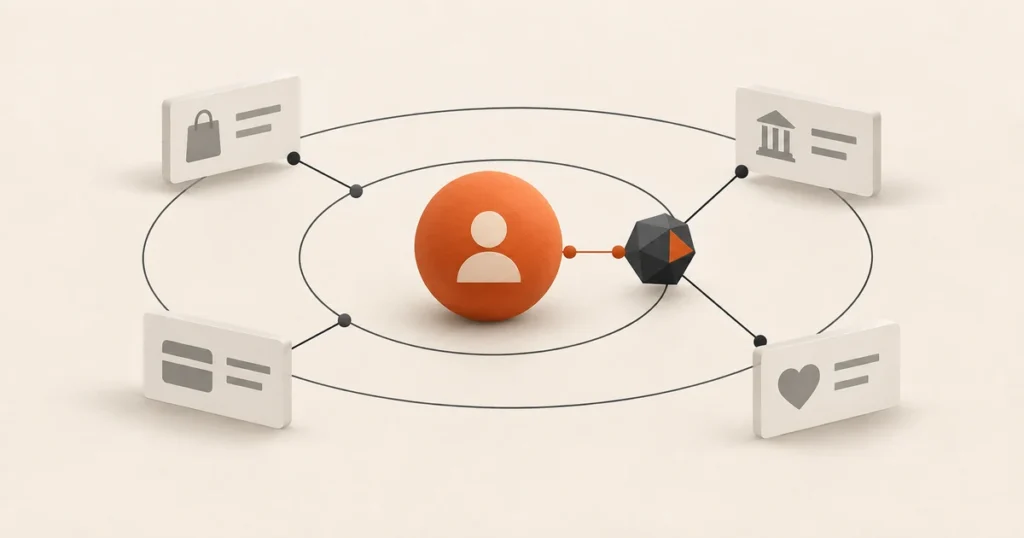
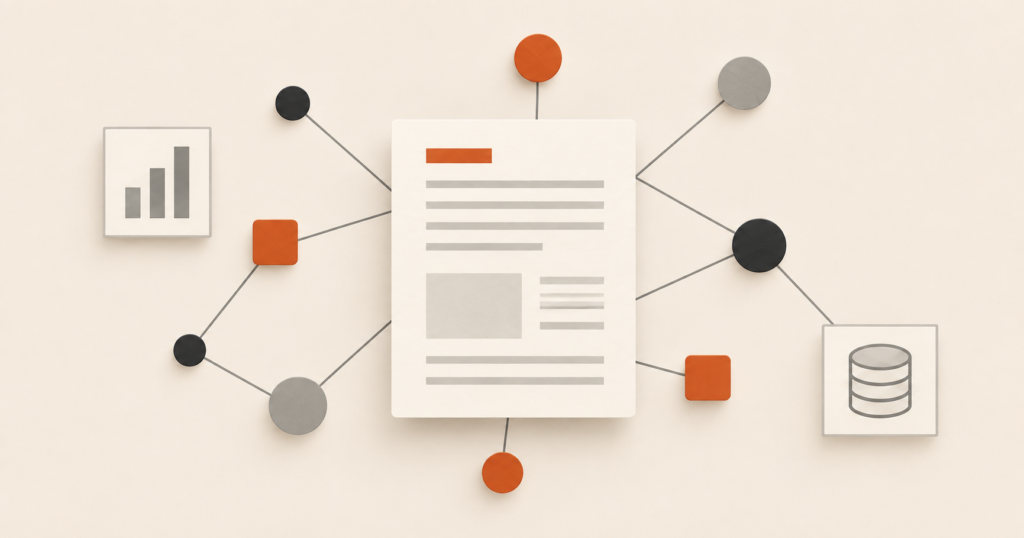
I think we may see Big Tech emerge as the new intermediaries, taking over roles that once belonged to library catalogues and publisher websites. Publishers will still produce articles and data, but in STM especially, much of that content may be accessed through AI research assistants and other new interfaces. It’s also unclear what role traditional library access systems will play in this world, particularly if catalogue records are open and easily ingested by these models.
I’m also increasingly sceptical that we’re heading for a full transition to a preprint-plus-verification model. If we do, I suspect we’ll see preprint servers flooded with low-value content such as “I ran this dataset through multiple AI models and found X” style papers, AI-generated meta-analyses, and politically motivated research. Then we’ll need filters to sift through the noise. These may come from the invisible hand of AI within research assistants, or from a return to trusted brands – provided those brands become more selective and raise their editorial standards!
I doubt the radically open ‘let the user decide’ approach, or the extremely light-touch moderation of Google Scholar, will be enough to handle what’s coming.